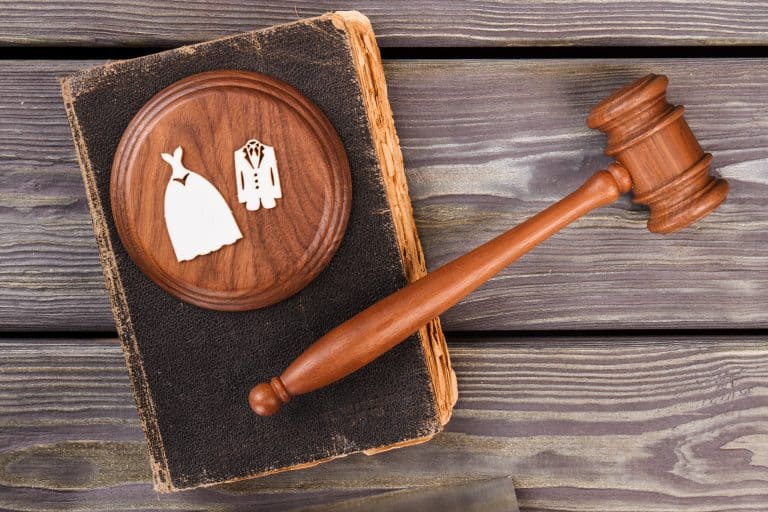
Based in Houston, Musick Law Office represents clients throughout Harris County and Texas Gulf Coast region in a range of family law matters, including Divorce, Separation, Custody & Visitation, Child Support, Spousal Support & Maintenance, Prenuptial Agreements, Paternity, Domestic Violence & Neglect, Children’s Rights, Juvenile Law.
Our attorneys understand the emotional impact that family law matters have on you and your loved ones. Our goal is to help you through your legal issues by providing exceptional representation combined with personal attention, honesty, and open communication. If you are considering divorce, or face any family law issue, please contact Musick Law Office for a consultation.
Divorce
Divorce is the legal process by which a marriage is terminated. In a divorce proceeding, the parties’ marriage is legally ended and related issues, such as spousal and child support, child custody and visitation, and property and debt division, are resolved, either by the parties’ voluntary agreement, through the assistance of a mediator, or after a court trial. Our attorneys provide supportive guidance during every phase of the divorce process, ensuring that our client’s interests are represented every step of the way.
Separation
Texas law does not recognize “legal separation.” Accordingly, when spouses separate, temporary support and maintenance awards are not available until a couple actually files for divorce. A divorce may be appropriated even when two people consider themselves to be “common law married,” which is referred to as an informal marriage in Texas. We help clients establish their rights and interests upon separation or termination of an informal marriage.
Custody & Visitation
Custody and visitation issues may arise when parents are divorced or separated, when the parents have never been married, or when reproductive technologies, such as surrogate motherhood or sperm and egg donation, make a custody situation especially complex. Courts generally apply a “bests interests of the child” standard when determining who should be awarded custody. We help clients achieve custody and visitation plans that fit their family’s needs.
Child Support
Both parents are responsible for the financial support of their child, regardless of whether the parents were married at the time of the child’s birth. The parent with whom the child does not live is responsible for contributing a certain portion of his or her income, based on state child support guidelines, to help support the child, even if the custodial parent has income of his or her own. Thus, if a child lives with only one parent, the court will generally order the non-custodial parent to pay child support.
Spousal Support & Maintenance
Maintenance and spousal support are legal terms for income provided by one spouse or former spouse to the other during a separation or after a divorce. Traditionally, alimony was awarded to wives for an indefinite duration. Today, spousal maintenance may be awarded to either spouse if he or she needs financial assistance, and the other is able to provide such assistance; also, awards now tend to be temporary, lasting for a period of rehabilitation that enables the recipient spouse to become self-supporting.
Prenuptial Agreements
Prenuptial agreements are contracts entered into by a couple in contemplation of marriage. They usually address property issues that may arise in the event of divorce or death, and are often used as vehicles to provide for greater awards of property to children of previous marriages, or when one spouse brings substantially greater assets than the other spouse to the marriage.
Paternity
Establishing legal paternity gives a father certain rights and responsibilities in regard to his child. For example, a paternity action may be brought in order to impose a child support obligation, establish a right to inheritance, or gain or prohibit custody or visitation rights.
Domestic Violence & Neglect
Domestic violence and neglect include physical, mental, and sexual abuse of spouses, mates, children, elderly persons, and other vulnerable adults in the perpetrator’s household. Abuse and neglect have long-term consequences, but there are legal mechanisms through which victims or interested third parties can see protection. In some cases, we may seek a protective order or restraining order by filing a civil suit, which is distinct from filing criminal charges against the perpetrator. For information about family violence, please see our criminal law page.
Children’s Rights
Children’s rights cover a broad spectrum, which includes not only the rights afforded to all United States citizens, but also those rights that are theirs due to their status as children, such as the right to food, clothing, shelter, medical care, and education. Children are not, however, guaranteed all of the constitutional protections that are provided to adults. We advocate on behalf of children, working to ensure that their best interests are recognized by the legal system.
Juvenile Law
Juvenile law relates not only to juvenile delinquency proceedings in which the juvenile is charged with an offense that would be a crime if committed by an adult, but also to abused and neglected children, children in need of social services, and juveniles charged with status offenses. For more information about this important area of our practice, please see our juvenile law page.
Call Us 24/7
832-448-1148
OR
schedule a video, phone, or in-person consultation